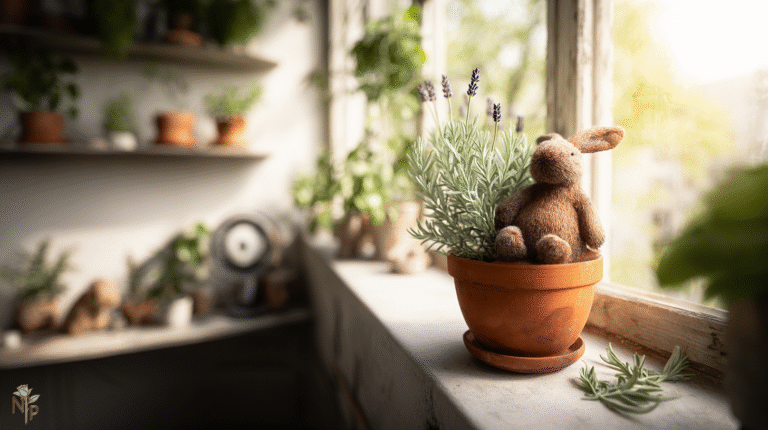
My first herb garden produced exactly three edible basil leaves and one sprig of woody rosemary that tasted like pine-scented disappointment. Everything else either rotted, bolted, or just sat there refusing to grow while I watered it religiously and wondered what I was doing wrong.
Turns out I was doing everything wrong. Planted mint in a tiny pot (it became root-bound in two weeks). Put Mediterranean herbs in moisture-retaining soil (hello, root rot). Gave basil the shadiest spot in the garden because I thought herbs were “low maintenance plants that grow anywhere.”
Six years and approximately fifty pounds of actually edible herbs later, I finally get it. The secret to herbs isn’t in the watering or the fertilizing or even the variety you choose. It’s the soil. Get the soil wrong and you’ll be buying dried oregano forever. Get it right and you’ll be that annoying person forcing fresh herb bundles on neighbors because you can’t use them fast enough.
The Big Lie About “One Size Fits All” Herb Soil
Garden centers sell “herb soil” like all herbs want the same thing. That’s like saying all dogs eat the same food. Sure, they won’t die immediately, but they won’t thrive either.
After killing a embarrassing number of plants, I finally figured out herbs fall into three camps with completely different soil needs:
Mediterranean herbs:
(rosemary, thyme, oregano, sage, lavender): Want to live like they’re on a Greek hillside – poor, sandy soil that drains in seconds. That bag of “moisture control” potting soil? Death sentence.
Leafy herbs:
(basil, cilantro, parsley, dill): Want rich, moist soil like vegetables. They’re heavy feeders pretending to be herbs.
Mint family:
(mint, lemon balm, catnip): Will grow in literally anything but prefer moist, rich soil. Also, they’re invasive psychopaths that need containment.
Soil Recipes That Actually Work
Took me three years to develop these mixes. Could’ve saved myself a lot of dead plants if someone had just told me this upfront.
For Mediterranean herbs:
- 40% regular potting soil
- 30% coarse sand (not play sand – that turns to concrete)
- 30% perlite or pumice
Mix this up and it should feel wrong – too gritty, too light, like it won’t hold water. Perfect. That’s exactly what rosemary wants. First time I used this mix, my constantly-dying rosemary suddenly exploded with growth.
For leafy herbs:
- 60% good potting soil
- 30% compost
- 10% perlite for drainage
Rich but not heavy. Holds moisture but doesn’t get swampy. My basil grows leaves the size of my hand in this stuff.
For mint (in containers only, never in ground):
- Whatever soil you have
- Seriously, mint doesn’t care
- I’ve grown mint in 100% compost, pure sand, and regular dirt
- Just contain it or it’ll take over your entire yard
The pH Thing Nobody Talks About
Spent two years wondering why my lavender looked like it was dying of depression. Turns out my soil was too acidic. Lavender wants alkaline soil (pH 7-8). My soil was 5.5.
Bought a $7 soil test kit. Game changer. Here’s what herbs actually want:
- Mediterranean herbs: 6.5-8.0 (slightly alkaline)
- Basil: 6.0-7.0 (neutral)
- Parsley: 6.0-7.0
- Mint: 6.5-7.0
- Cilantro: 6.2-6.8
If your soil’s too acidic (most places east of the Mississippi), add lime. Too alkaline (desert areas), add sulfur. I add a handful of lime to my Mediterranean herb containers each spring. Suddenly my lavender stopped looking suicidal.
Container Depth Matters More Than Width
Killed so many herbs in shallow containers before figuring this out.
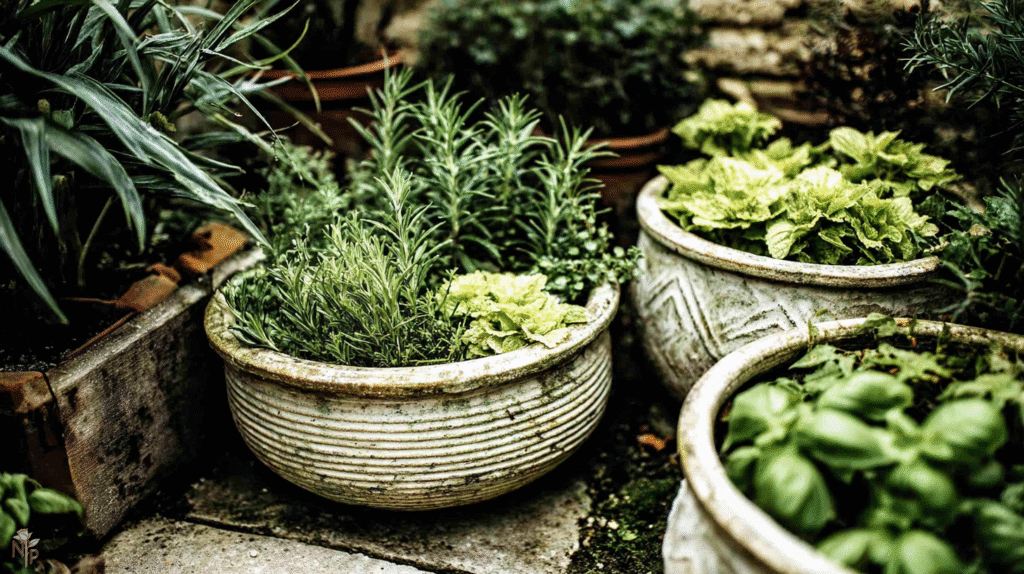
Deep-rooted herbs need deep pots:
- Rosemary: 12 inches minimum, preferably 18
- Sage: 12 inches
- Dill: 12 inches (that tap root goes forever)
- Parsley: 10 inches
Shallow is fine for:
- Thyme: 6-8 inches
- Oregano: 8 inches
- Basil: 8 inches (but wider is better)
- Cilantro: 8 inches
Planted rosemary in a cute 6-inch pot once. It lived but never thrived. Moved it to an ugly 14-inch pot and it tripled in size in one season. Turns out plants don’t care about aesthetics.
Drainage: The Hill I’ll Die On
If you do nothing else, fix your drainage. More herbs die from root rot than any other reason.
Container drainage:
Every pot needs holes. “But I’ll use rocks in the bottom!” No. That creates a perched water table. Physics thing. Makes drainage worse, not better. Just drill holes. I use a masonry bit on ceramic pots. Have broken exactly one pot in six years.
Ground drainage test:
Dig a hole 12 inches deep. Fill with water. If water’s still there after an hour, you have drainage problems. My clay soil failed spectacularly. Solutions:
- Raised beds (what I did, instant fix)
- Add organic matter (takes years)
- Add sand AND organic matter (better but still slow)
- Grow in containers (easiest)
The Planting Mistakes That Killed Everything
Planting too deep:
Buried my basil stems thinking it would make stronger plants. Nope. Stem rot. Plant herbs at the same depth they were in their nursery pots. Only tomatoes like being buried deep.
Not breaking up root balls:
Felt bad about “hurting” the roots so I’d gently place herbs in holes. They’d stay the exact same size all season. Now I aggressively tease apart roots, sometimes cutting them if they’re circling. Plants explode with growth. They’re tougher than you think.
Overcrowding:
Planted six basil plants in a 12-inch pot because baby plants look so small. By July it was a fungus-infected mess of competing plants. Now:
- Basil: One plant per 8-inch pot or 12 inches apart in ground
- Rosemary: 24 inches from anything else (gets huge)
- Thyme/oregano: 12 inches (they spread)
- Parsley: 6-8 inches
- Cilantro: 4 inches (you want it crowded)
The Mulch Controversy
Garden people have opinions about mulch. Here’s what actually worked:
Mediterranean herbs:
Gravel mulch or nothing. Wood mulch holds moisture against stems = death. I use pea gravel around rosemary and lavender. Looks nice, improves drainage, prevents soil splash.
Leafy herbs:
Straw or grass clippings. Breaks down fast, adds nutrients, keeps soil moist. My basil gets 2 inches of grass clippings weekly in summer.
Never use:
- Dyed mulch (chemicals)
- Fresh wood chips (nitrogen theft)
- Rubber mulch (why is this even a thing?)
Timing Matters (Learned This the Expensive Way)
Plant after last frost:
- Basil (dies at 40°F, drama queen)
- Cilantro for spring crop
Plant 2-3 weeks before last frost:
- Parsley
- Cilantro for fall crop (yes, plant it early for fall harvest, weird but true)
- Dill
Plant whenever, they don’t care:
- Mint (indestructible)
- Oregano (tough)
- Thyme (tougher)
- Rosemary (if established)
Planted $30 worth of basil two weeks before last frost because it was warm that week. Late freeze killed everything. Now I wait until night temps are consistently above 50°F.
The Fertilizer Situation
Mediterranean herbs grown in rich soil taste like nothing. Stress makes them produce more essential oils. I fertilize rosemary never, thyme never, oregano never. They grow in crap soil and taste amazing.
Basil is the opposite. Feed it weekly with diluted fish emulsion and it grows like it’s on steroids. Parsley and cilantro want feeding every two weeks. Mint will take whatever you give it and ask for more.
My Current Setup That Actually Produces Food
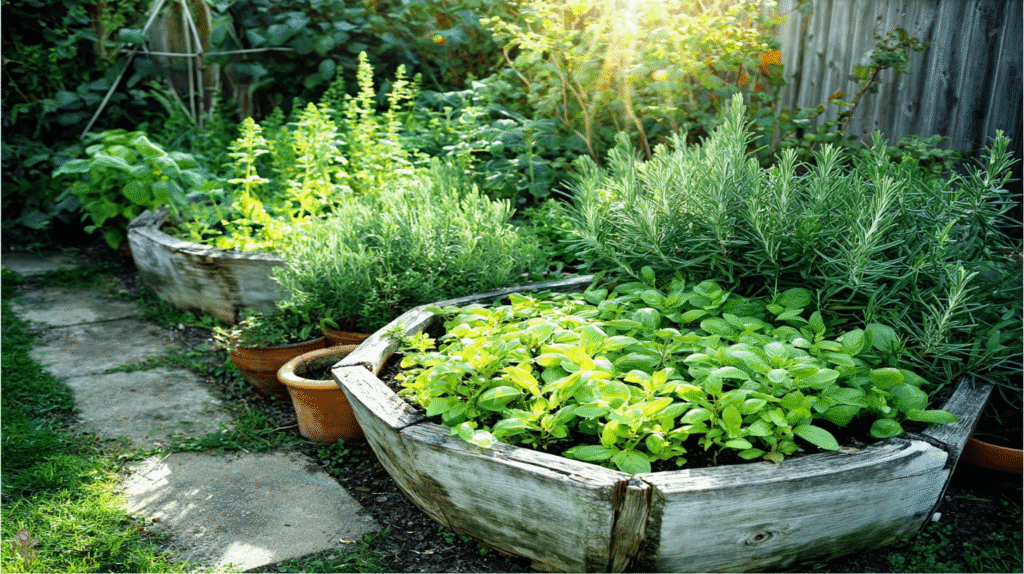
Raised bed #1 (Mediterranean):
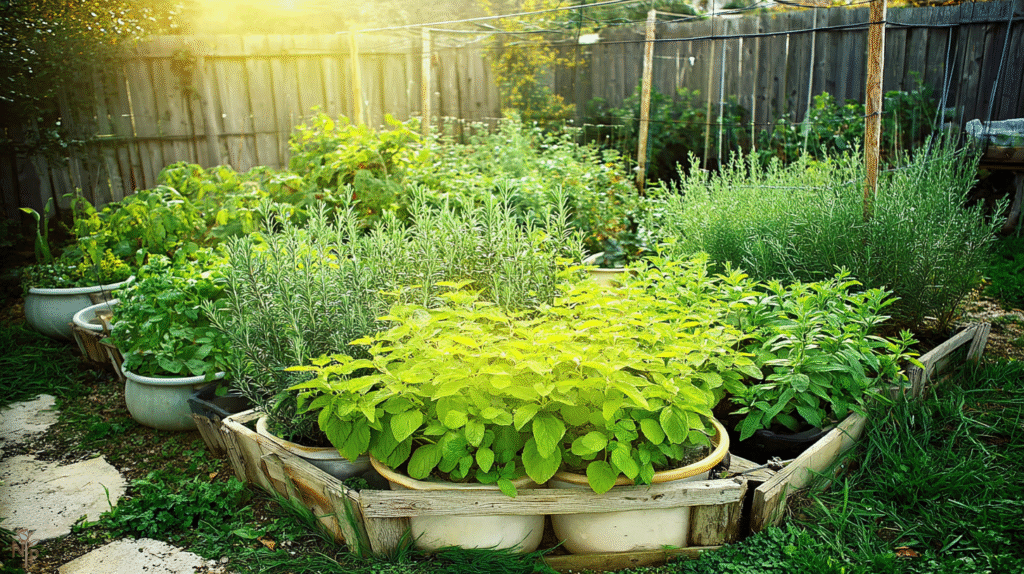
Sandy, gravelly soil that drains instantly. Full sun. Never fertilized. Contains rosemary, thyme, oregano, sage. Thriving for four years.
Raised bed #2 (Annuals):
Rich soil, composted yearly. Morning sun, afternoon shade. Replanted seasonally with basil, cilantro, dill, parsley.
Container prison (Mint):
Five-gallon buckets with holes drilled everywhere. Regular potting soil. Contains mint that’s trying to escape but can’t. Produces enough mint for mojitos all summer.
The failures I’ve accepted:
Lavender (too humid here), French tarragon (dies every winter), stevia (grows but tastes weird).
Why This Matters
Once I fixed my soil, everything changed. Basil that actually tastes like basil instead of grass. Rosemary that survives winter. Enough oregano to dry for the entire year.
The neighbor who used to politely decline my herb offerings now asks when the basil will be ready. My grocery bill dropped by maybe $20/month just from not buying fresh herbs. More importantly, my food actually tastes good now.
Turns out the secret to herbs isn’t complicated. Mediterranean herbs want to suffer in sandy soil. Leafy herbs want to live in vegetable garden conditions. Mint wants to take over the world. Give them the right soil from the start and they mostly take care of themselves.
Just remember: drainage is everything, most herbs die from too much love (water and fertilizer), and mint always goes in jail (containers). Get the soil right and you’ll have more herbs than you know what to do with. Get it wrong and you’ll be buying those sad grocery store basil plants forever.